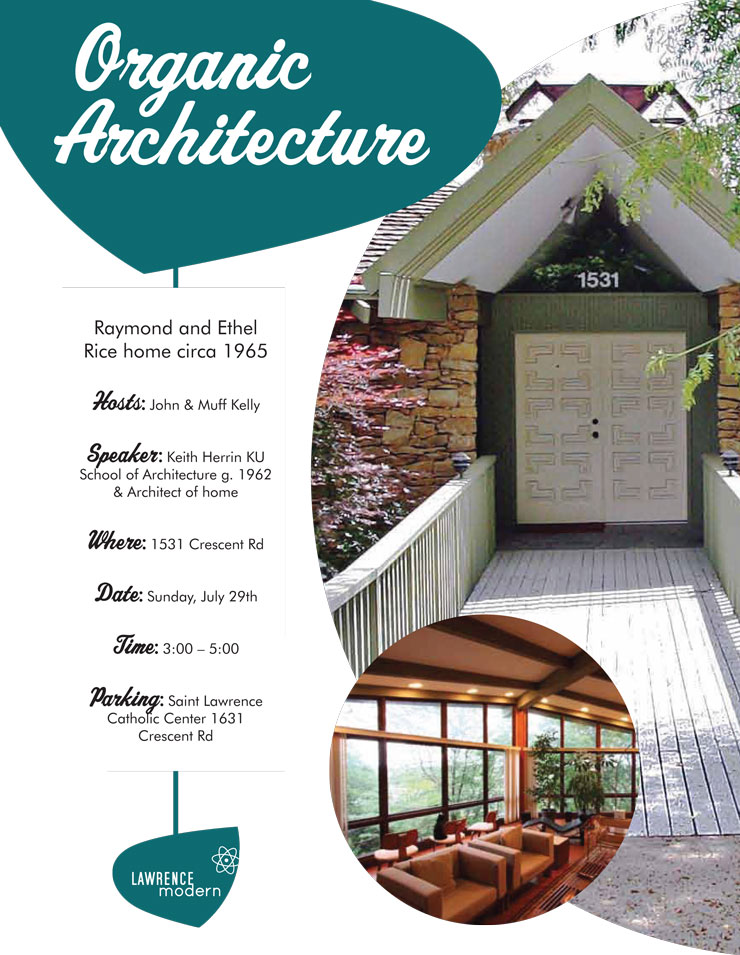
Get back to nature July 29th

1531 Crescent Road in Lawrence, KS

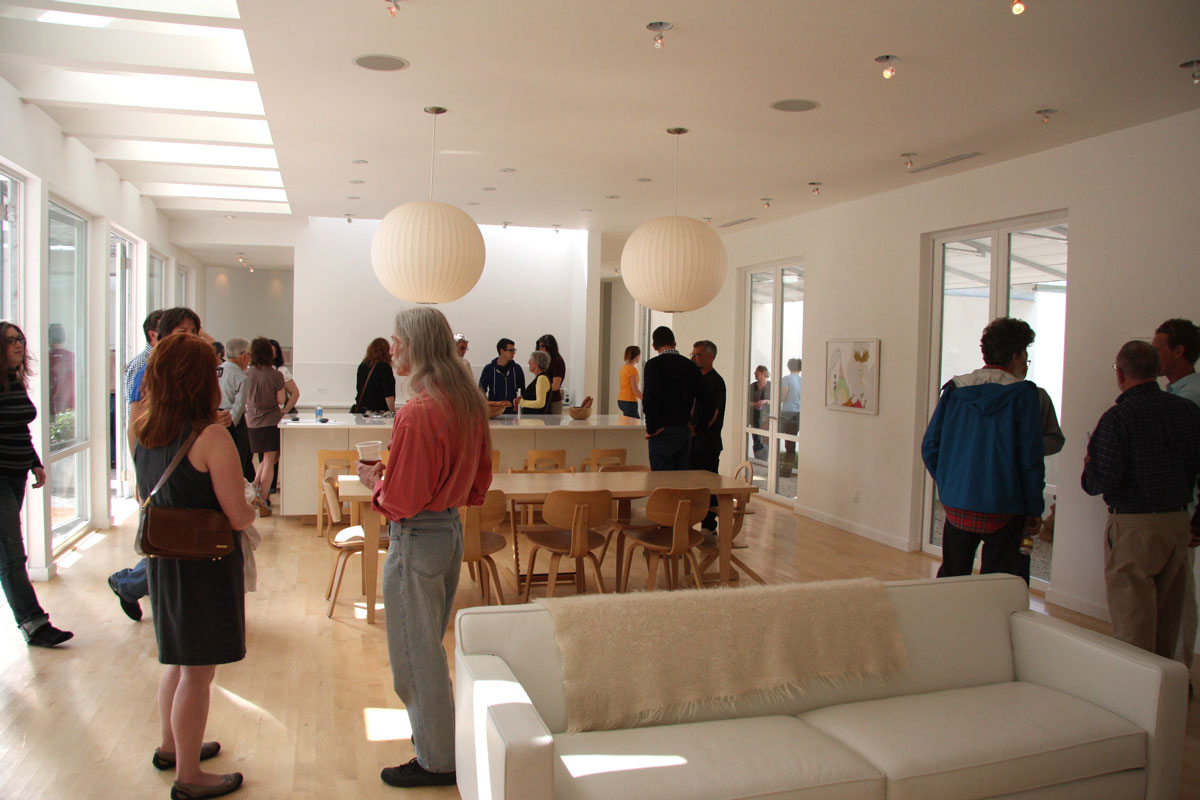
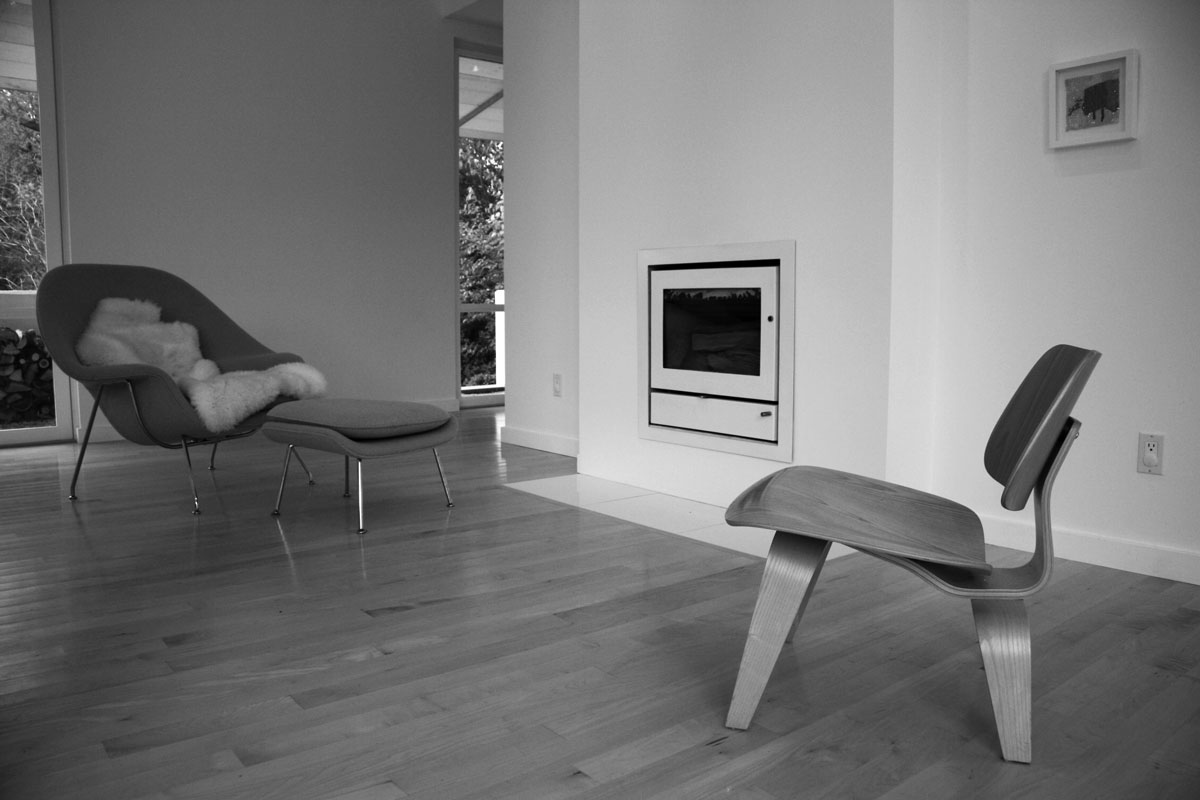
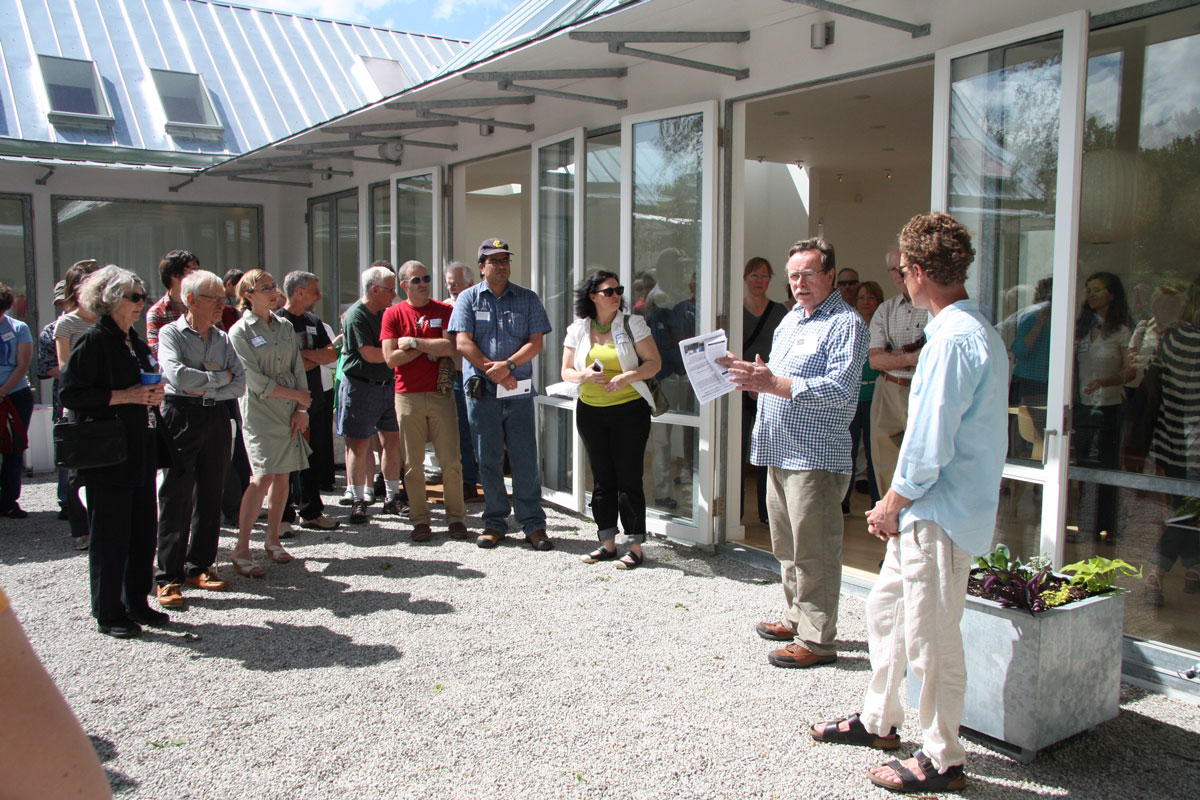
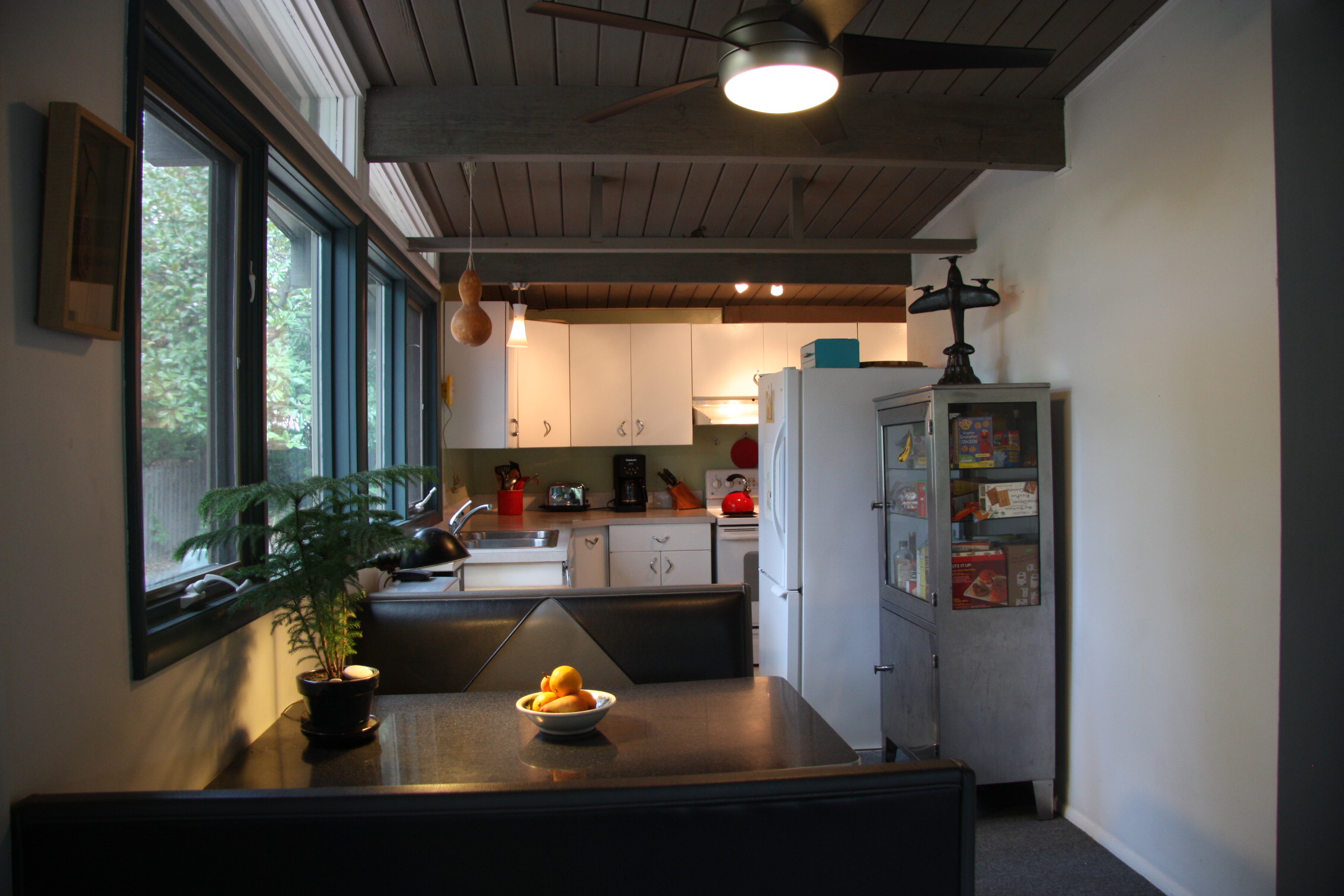
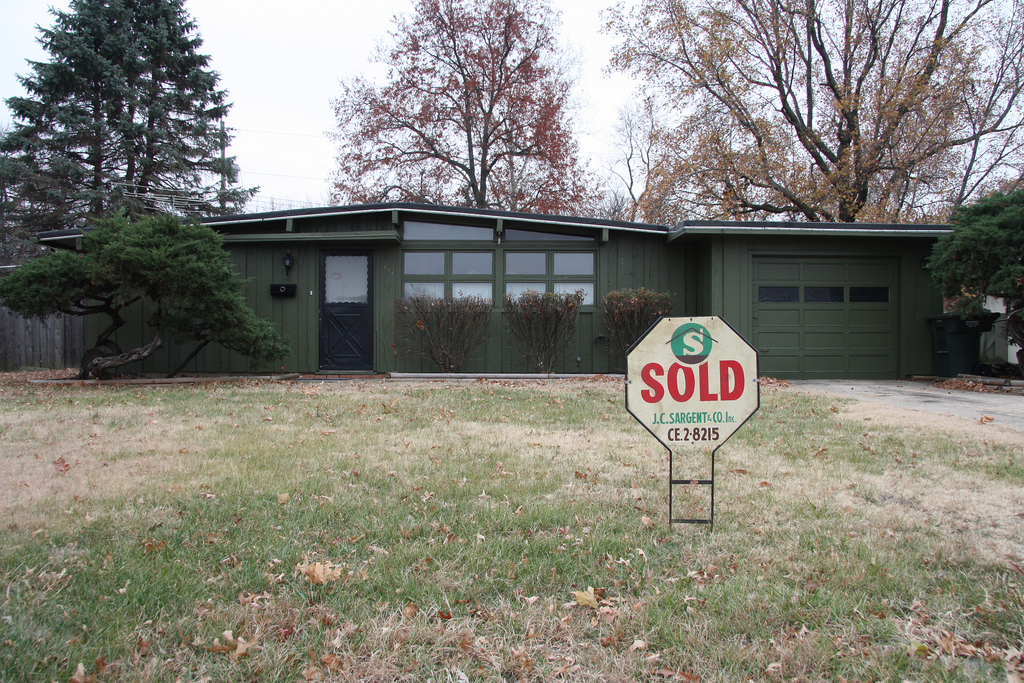
Sure to be the coolest Lawrence Modern event this summer, our next gathering will be at a leafy modernist retreat west of campus owned by John and Muff Kelly. Architect Keith Herrin, a former KU Architecture grad, will be on hand to talk about the design of the house, which was originally built in 1965 for Lawrence philanthropists Raymond and Ethel Rice. Parking is not allowed on Crescent Road, so please park in the Saint Lawrence Catholic Center parking lot on the corner of Crescent and Engel Road. Also, please do not bring any food or drinks to this gathering. See you July 29th!

KCModern to host Goff extravaganza June 8-10

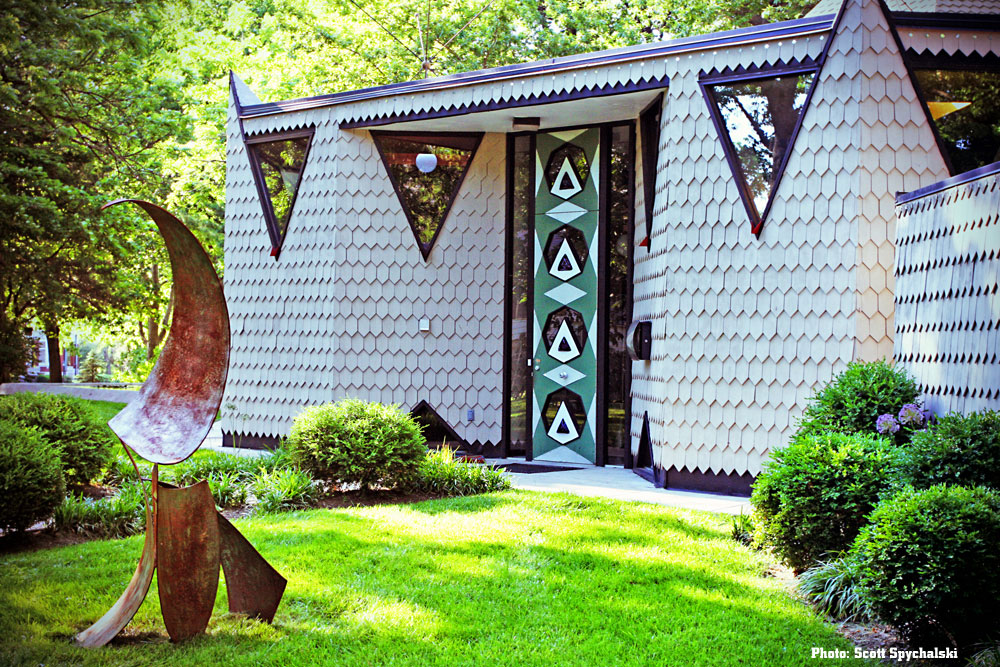
Nicol House exterior (Photo: Scott Spychalski)
Nicol House, Kansas City, Mo.

The precious few times I’ve had the privilege to visit Bruce Goff-designed houses, I’ve always left feeling enthralled by the experience and reminded that the world is far more mysterious and wonderful than I had imagined.

So it is with great delight that we relay the news that our friends at KCModern have organized an ambitious, multi-event Goff house tour extravaganza June 8-10. (See details below.) This is a rare opportunity for architectural enlightenment that shouldn’t be passed up. While not as well known as Frank Lloyd Wright, Bruce Goff’s organic architecture is no less celebrated among architecture enthusiasts, who sometimes travel great distances and scheme to great lengths just to get a glimpse inside his eccentric buildings. We in Lawrence are fortunate that these houses are nearby and accessible.

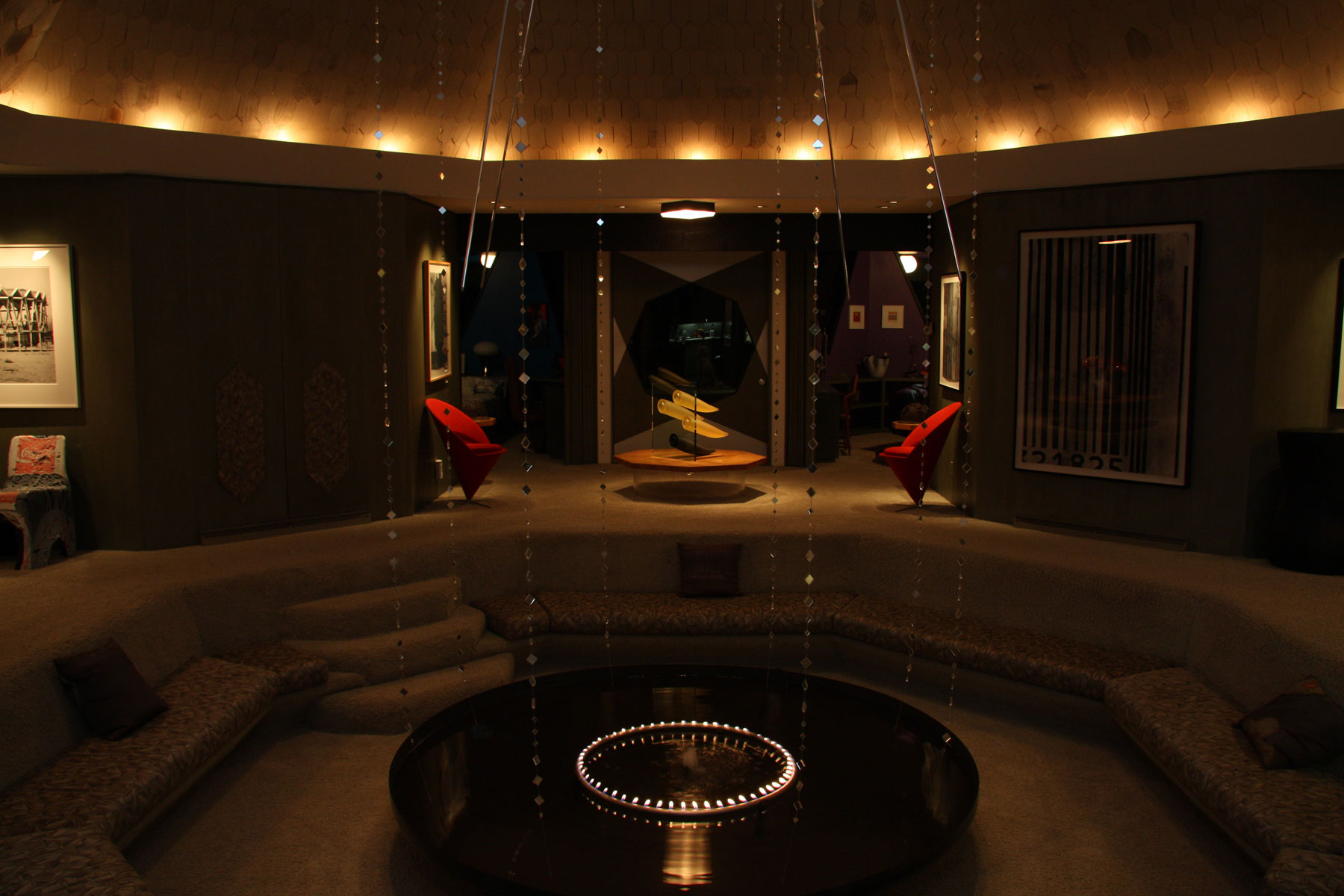
Nicol House interior at night.
Nicol House interior at night. (Photo: Bill Steele)

Tom, Dennis, and I had the privilege of seeing the Nicol House a couple of years ago when Rod Parks, owner of the Retro Inferno furniture store in downtown Kansas City, kindly invited us into the Nicol House, which he purchased in 2010. We haven’t seen the other two Goff houses scheduled on the tour, but the Nicol House alone offers ample satisfaction. It is food for the eyes of anyone who appreciates great architectural design, art, and furniture.

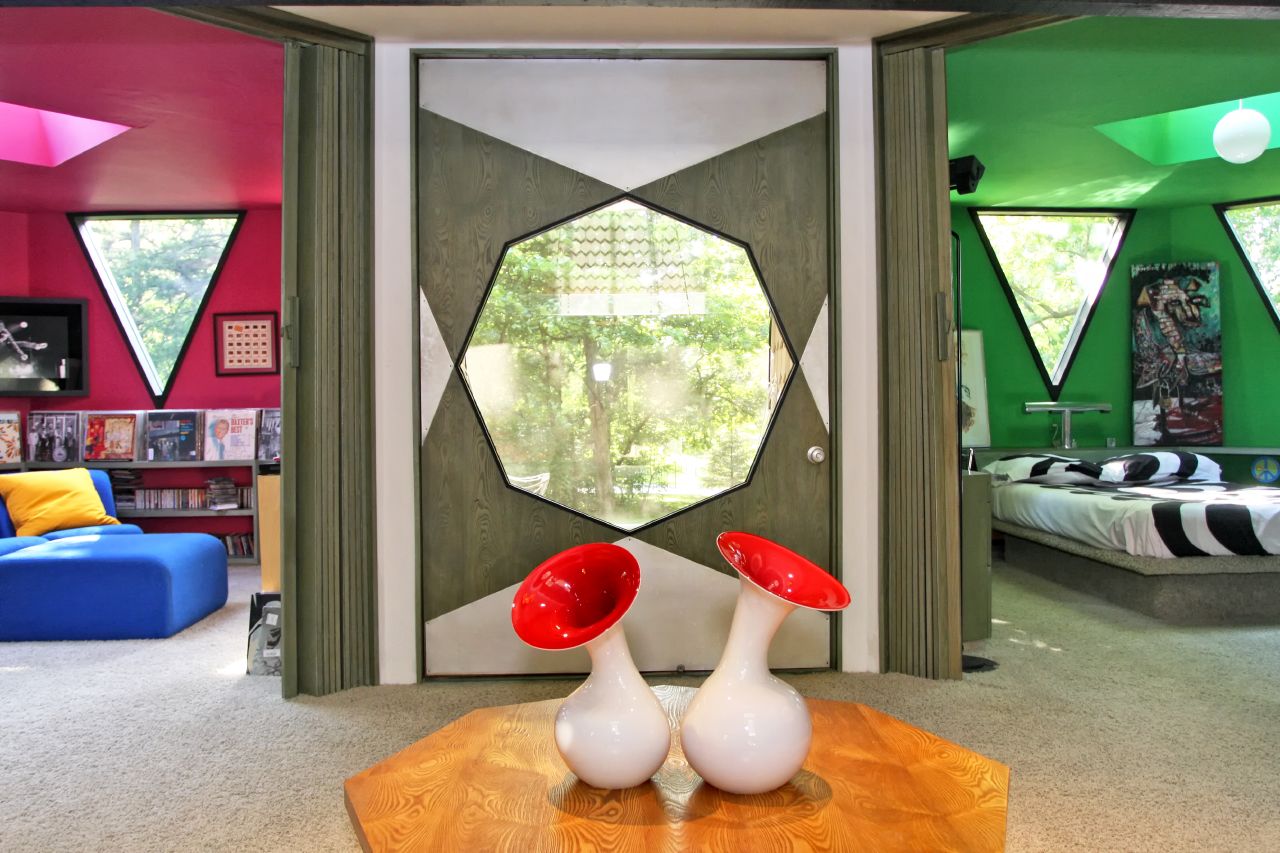
Nicol House interior
Looking north through the Nicol House’s colorful rooms. (Photo: Scott Spychalski)

Like nearly all of Goff’s residential works, the Nicol House is a reflection of the client as much as it is about the architect. James Nicol was a successful banker who, along with his wife, Betty, enjoyed entertaining, and the house’s extravagant teepee shape and totem-like entry doors (one door leads to the backyard pool) suggest that a family of high socioeconomic status resides there. Joe Price, who hired Goff to design houses and buildings for him, once told me that Bruce tried to place himself in the shoes of his client and design his house as if he were the client. This helps explain the fierce individuality of his houses and why they are so endlessly fascinating to contemplate.

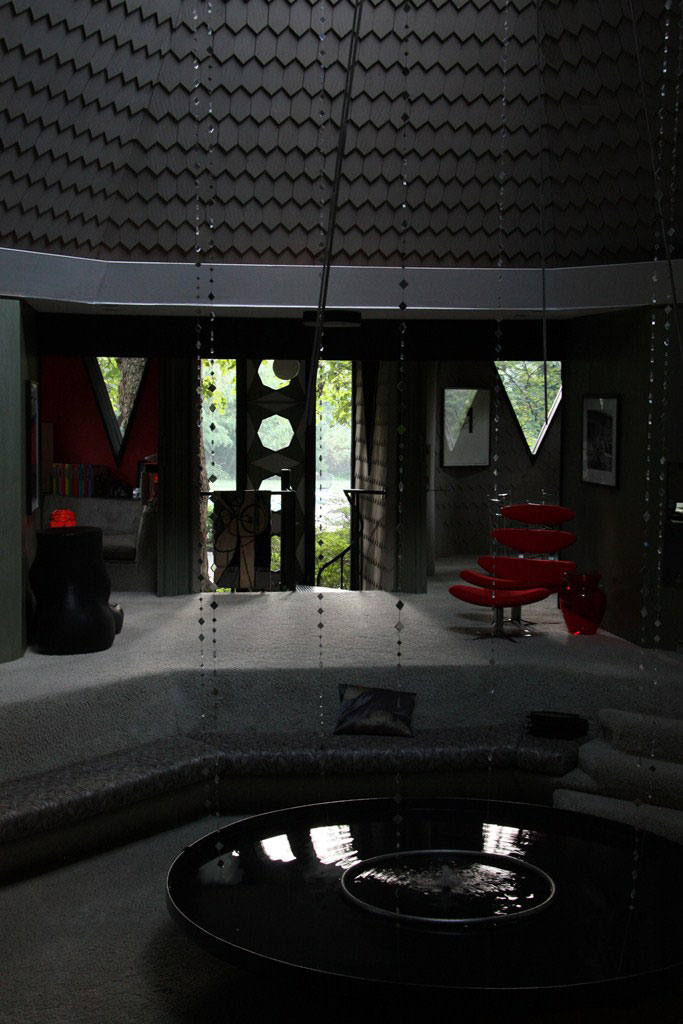
The Nicol House, which was completed in 1968, is geometrically shaped and features an octagonal floor plan that, in the drawings, looks like a honeycomb. (This motif is repeated throughout the design.) Once inside, you climb a circular staircase and enter a cavernous space where you are immediately drawn to a sunken conversation pit at the center. It is one of the most magical entries in modern architecture. Sitting there you can survey the house and admire many of its fantastic qualities without ever having to move.

It is difficult to sit for very long, however. The extraordinary architecture and openness of the floor plan urge you to explore each room like an audience member taking part in participatory theater. Perhaps it’s the bold ’60s colors? The triangular windows? The massive rear doors with octagonal windows that swivel 180 degrees? The areas of attraction and interest are endless, and Mr. Parks’ eclectic furniture and art only heighten the pleasure. I can only begin to imagine how much fun the Nicol kids had growing up in this house.

Nicol House interior in early morning light
Nicol House interior in the early morning light. (Photo: Bill Steele)

One of the reasons why the Nicol House resonates so strongly is because it taps into our primal knowledge about nature: earth, water, fire, stone and sky are in one form or another represented here. The indigenous character of the house only increases this awareness. But no matter how you interpret or deconstruct this work of art, at some point critical faculty is suspended in the presence of such creativity and intelligence, such fervent imagination — all the more poignant in the play-it-safe times we live in. Nearly 50 years after it was built, the Nicol House remains a fresh and vital example of Bruce Goff’s visionary architecture.

—Bill

GOFF WEEKEND
KANSAS CITY
JUNE 8
|9|10  2012
http://www.kcmodern.com/

THE MAGIC OF GOFF LIGHT
Friday, June 8th, 7:30 to 10:00
An intimate reception featuring the signature Goff weekend cocktail and hors d’oevres. Watch the ever-changing light in the premiere Goff home of Rod Parks’ The Nicol House – 5305 Cherry – Kansas City – Missouri
$50.00 per person

CREATIVITY IN KANSAS CITY
Saturday, June 9th, 10:00 – Noon
A Conversation with Bruce Goff
A discussion and exhibition of Goff’s work in Kansas City featuring original owners, colleagues, and drawings
Katz Hall at UMKC
5005 Rockhill Road – Kansas City – Missouri

PAUL SEARING TRIBUTE TOUR
Saturday, June 9th, 1:00 – 4:00
Tour the 3 Goff houses
The Nicol House at 5305 Cherry – Kansas City, MO
The Hyde House at 5020 W. 67th Street – Prairie Village, KS
The Searing House – 7821 Fontana – Prairie Village, KS
$20.00 per person for the 3 houses
BUY ONLINE NOW OR AT SYMPOSIUM
NO TICKET SALES AT THE HOUSES

BEHIND-THE-SCENES TOUR
Sunday, June 10, 1:30
INVENTING THE MODERN WORLD
DECORATIVE ARTS AT THE WORLD’S FAIR 1851-1939
Nelson-Atkins Museum of Art
4525 Oak Street – Kansas City, MO
Enjoy Brunch at Rozzelle Court (reservations recommended)
Meet at the information desk at the Nelson at 1:30

Big turnout at mod/Victorian event

Modern+Victorian Tour, April 15, 2012

Great room living area

Great room living area

Dennis Brown of LPA

Dennis Brown of the Lawrence Preservation Alliance

More than 90 people turned out for our modern/Victorian get-together with the Lawrence Preservation Alliance. We toured architect Scott Trettle’s 2009 modern creation at 618 Walnut St. and walked across the street to view a Queen Anne-style Victorian home built in the 1870s owned by David Baird. As LPA board member Virgil Dean noted, the contrast in styles was truly remarkable and illustrative of the range of housing stock we have in Lawrence and Douglas County.

If you would like to learn more about the Lawrence Preservation Alliance, please visit their web site: lawrencepreservation.org. Thanks to all who participated and made this unique event a big success.

When Space Homes landed in Lawrence …

Sargent House for sale in Topeka

Sargent “Space Home” for sale in Topeka

Los Angeles and San Francisco have their Eichler homes, Kansas City has its Drummonds, and thanks to a little-known builder named John “Church” Sargent, Lawrence, too, has its modern subdivisions. Take a drive down Ousdahl Rd. between 19th and 21st and south of 9th St. on Madeline and Murrow Ct., and you can’t miss them.

Dubbed “Space Homes” when they were built in the mid-1950s, these simple, modest houses channeled California Modern style architecture at affordable prices—most sold for around $15,000 or less—to the Lawrence masses. They have held their value: I recently closed a sale on a 1955 Sargent on Murrow Ct. for $125,000, a net plus when adjusted for inflation.

Space Homes landed so long ago that hardly anyone remembers where they came from. Church Sargent died in 1974, and his Topeka-based business, Jayhawk Construction Co., no longer exists. But Lawrence Modern has been able to piece together enough fragments to form a picture of the man, his company, and his houses.
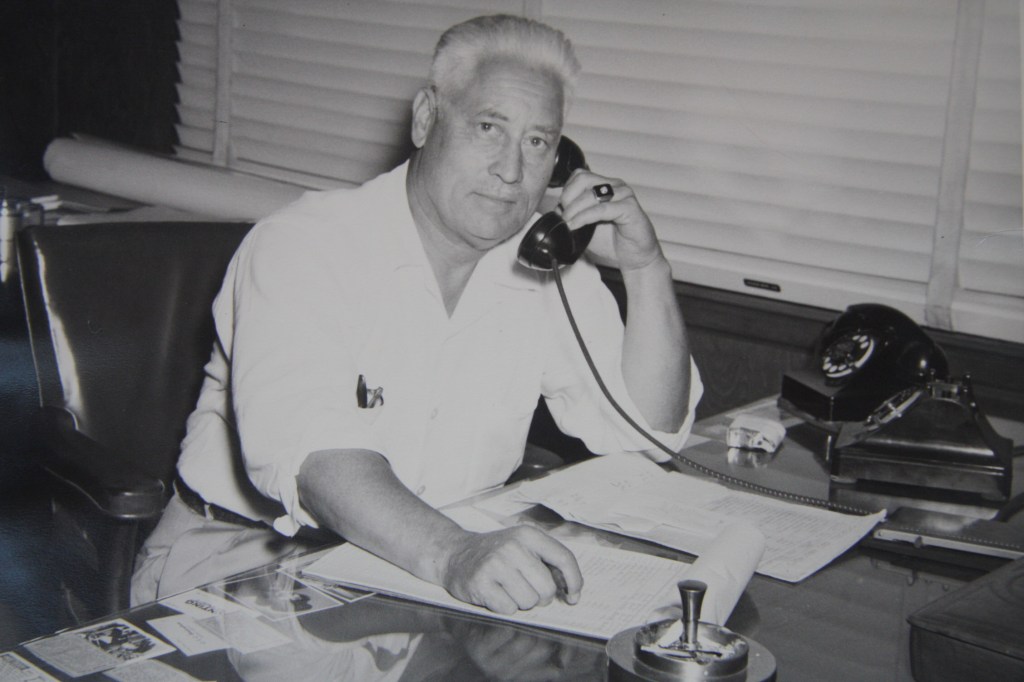
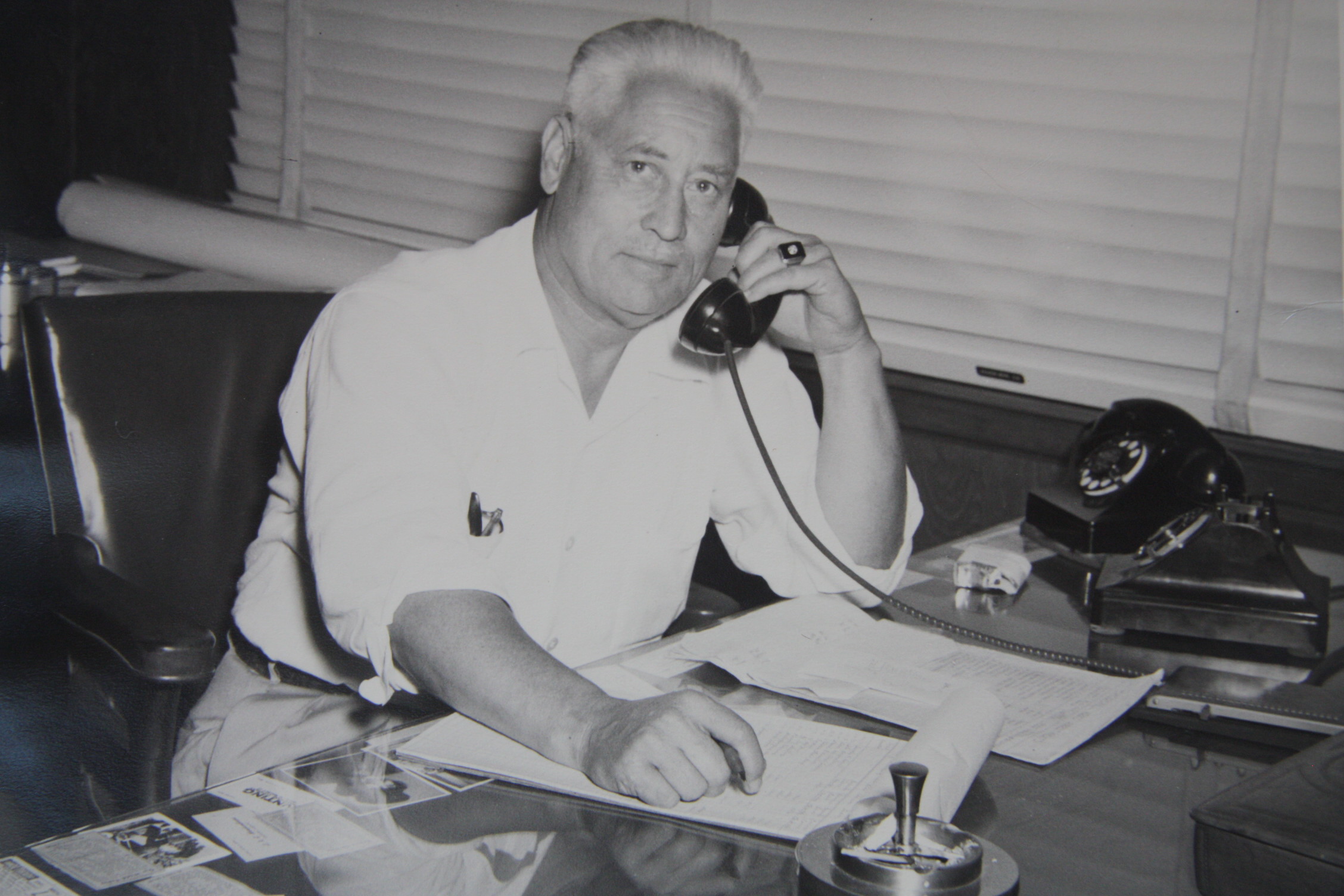
John “Church” Sargent at his company office sometime in the 1950s

Church Sargent was born in 1897 in Kansas City, Kan., and partnered with his father in the cut stone business in Topeka before World War II. He developed a reputation as a savvy businessman, able to adapt quickly to market signals. When the Great Depression put a virtual freeze on the demand for cut stone, he formed Jayhawk Construction in 1941, positioning himself for the construction boom that followed the war.

Jayhawk Construction’s initial offerings were diminutive ranch houses—about 700-800 sq. ft.—with two bedrooms and one bath. They sold well, but by the mid-1950s, demand fell, and Church was forced to offer another product to remain competitive. (During the building boom, he faced fierce competition from the Moore Bros. tract houses on the other side of town.) Like Joe Eichler and other successful builders at the time, he decided to hire a modern architect to boost curb appeal.

He hired the services of James R. Cushing, an architect who designed military housing and other buildings for the U.S. Air Force and was the lead partner in the Topeka-based firm Cushing, Servis, Van Doren & Hazard.
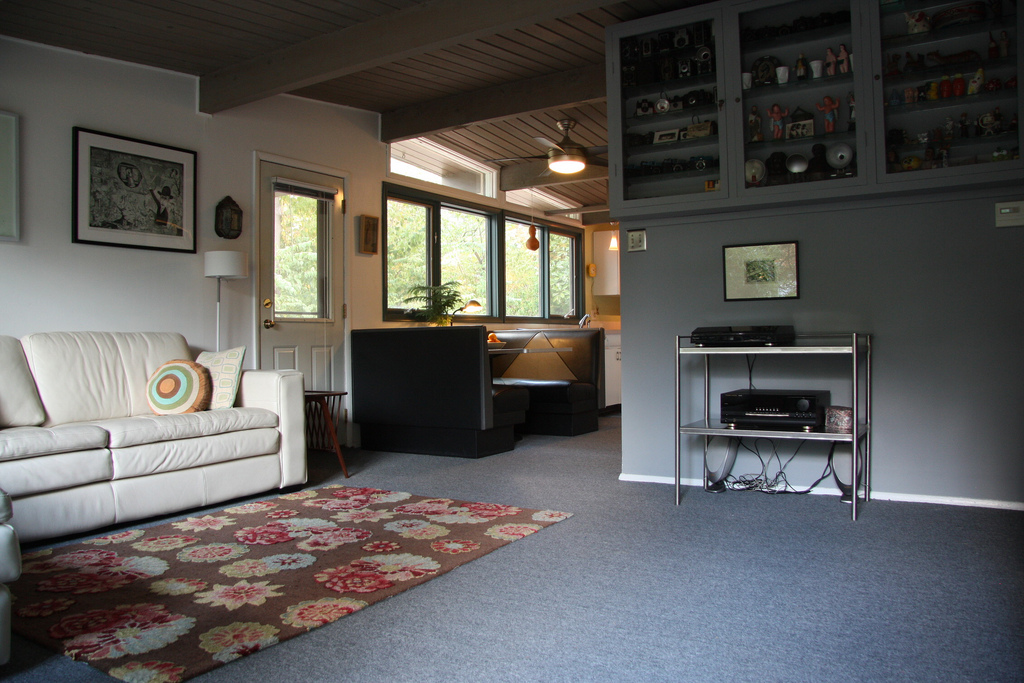
Interior view of Sargent house on Murrow Ct. in Lawrence

Interior view of Sargent house on Murrow Ct. in Lawrence

While Cushing’s designs don’t stand out like the marvelous Eichlers, which benefited from a stable of well-known modern architects, they share many of the same grammatical elements: post-and-beam construction, open floor plans, vaulted ceilings illuminated by clerestory light, and honest expression of materials. Their differentiation comes from the architect’s stylistic variations on the theme.

A mid-1950s Topeka newspaper article reports: “It is remarkable that, while the interiors of the houses are the same plan, the exteriors would not be recognized as being the same house. There is a wide difference in roofs, the entrances, finishes, and the colors which make them all seem individually designed homes.”
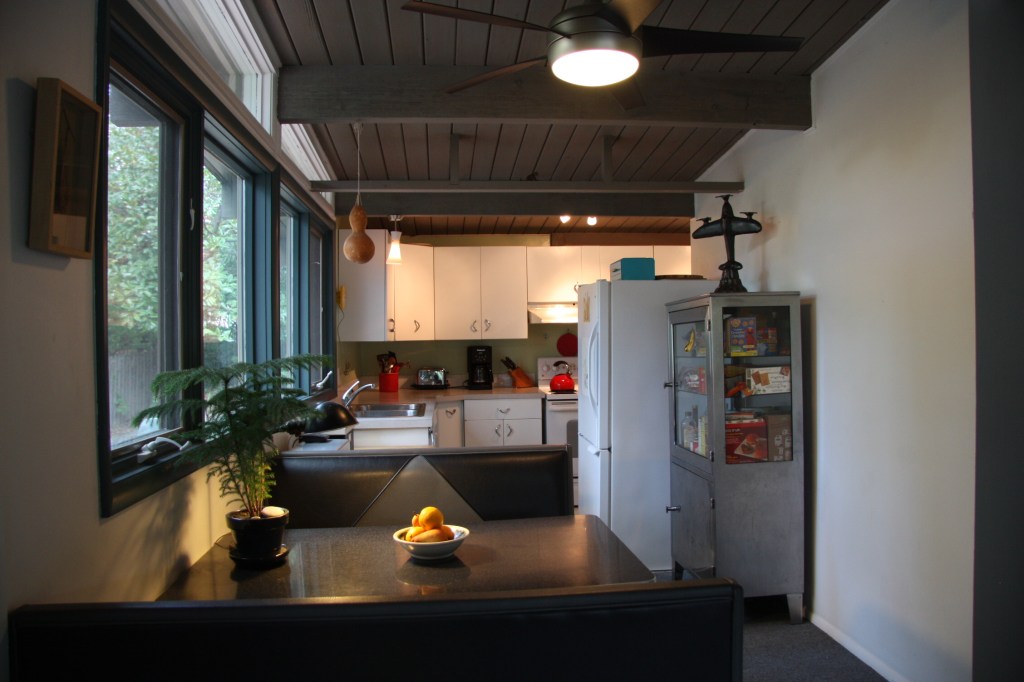
Kitchen and dining area

Kitchen and dining area

Each architect-penned Space home had three bedrooms located on one side of the house across from two bathrooms with a kitchen, dining area, and living room. Kitchens were equipped with modern appliances and metal cabinets (with boomerang pulls) manufactured by the Youngstown Cabinet Company, now highly sought after. The exterior siding was board and batten made of thick pecky cypress, pine, or redwood. Roofs were flat and/or low-sloping A-frames with tar and gravel. A private patio was included on the side or back of the house. These houses are very efficiently designed, practical, and down-to-earth. Though small compared to today’s houses, their openness makes them feel larger, and they are also easy to maintain, making them eminently livable.

It is unfortunate that many Space Homes have been altered over the years with gable roofs, covered-up or removed siding, and other additions that are not sensitive to the original design. But a number of well-preserved examples remain scattered around town. Take a short trip to see them and prepare to enter a time warp when Space Homes invaded Lawrence.

906 Murrow Ct. Flickr photos, click here.
For exterior shots of various Space Homes in Lawrence, click here.

—Tom
KU’s Center for Design Research: A Review

Lawrence Modern exclusive! Designed and built by student architects in Dan Rockhill’s Studio 804 program, the new Center for Design Research not only pushes green technology to new heights but also stands on its own as a masterful work of modernism. Hear what KU architecture professor Dennis Domer has to say about this great new building.