Livin’ the dream in C.S.H. #22

SH_entry_lowres

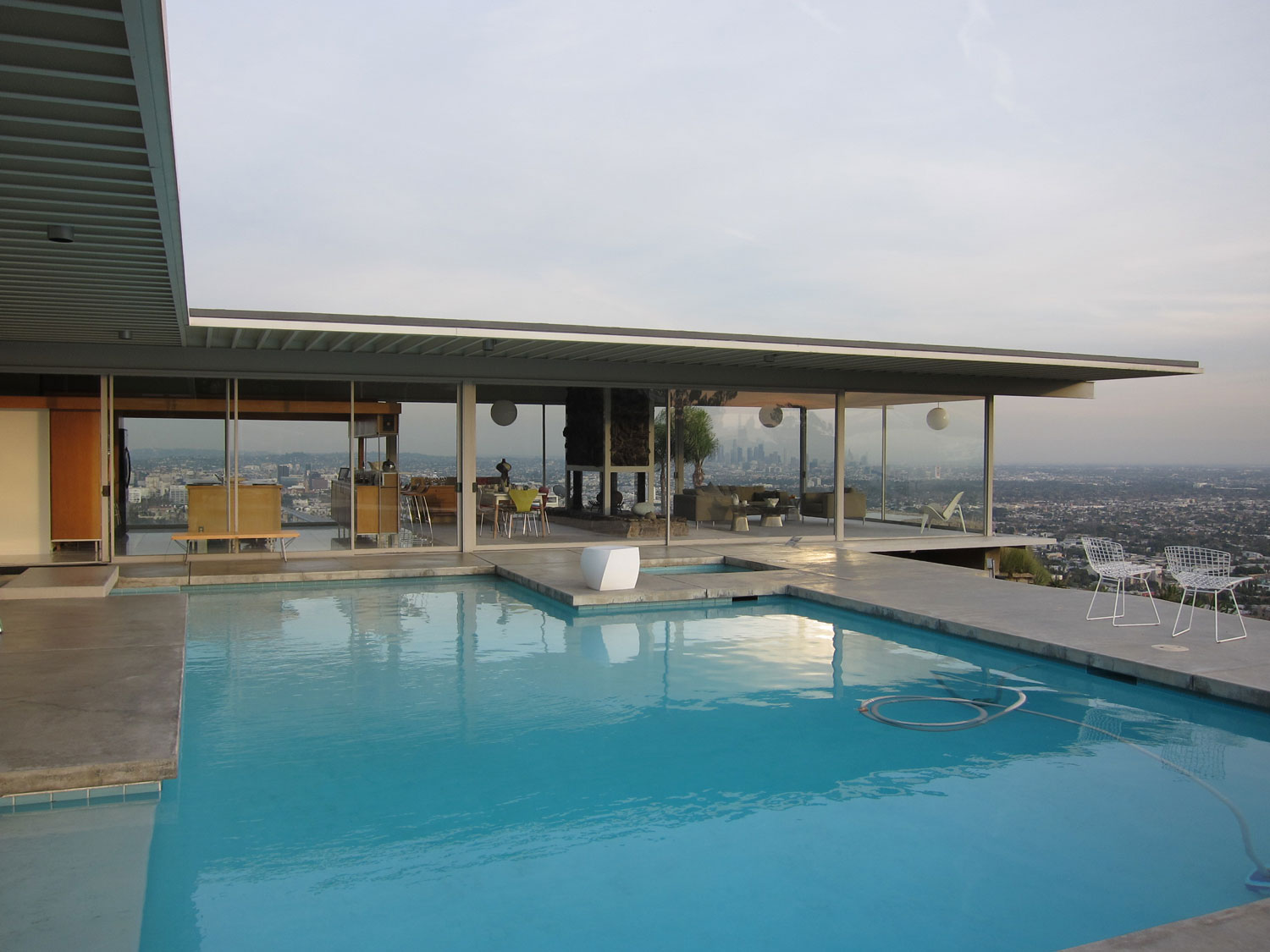
Western facade at entry. Photo by Akiko Takeyama

Built on a surge of adrenaline in modern architecture, the Case Study program houses constructed in the Los Angeles area from the 1940s to the 1960s were a unique experiment in postwar America.

Conceived by John Entenza, the editor of Arts & Architecture magazine, these flat-roofed, post-and-beam structures explored the advantages of modern residential living but also promoted the economical concepts of mass production. Assembled on slabs of concrete and often using prefab components to reduce costs, they challenged preconceived notions of residential building design and engineering. Despite their relatively low cost and seductive appeal, however, only 25 were actually built — they never really resonated with the general public.

In retrospect, the Case Study program represents not only a high point in modern architecture but also a utopic vision of America, where people of modest means could afford to live in houses that were essentially artistic creations.

The Stahl House epitomized this vision. Designed by architect Pierre Koenig in 1959, C.H.S. No. 22 is a masterpiece of modernism, one that has become so iconic it’s easy to overlook the fact that it was built for a family of four with limited resources. (CH “Buck” Stahl, the original owner, was a graphic designer and sign painter who at times struggled to keep up with the bank payments.) The idea that a middle class family could even imagine living in such a work of art, and continue to own and preserve it today, is a great defense of the American Dream, such that it exists.

Gazing out the living room of the Stahl House.

Gazing out the living room at the Hollywood Hills and the Pacific. Photo by Akiko Takeyama

My wife and I recently had the opportunity to tour the Stahl House on a trip to Los Angeles. More than any other house I’ve visited, it left me in a state of wonder that lingered long after I set foot on the property. Of course much of this has to do with the magnificent views, which sweep from the ocean to the mountains, but also the elegant way in which Keonig’s design melds with the grid-like pattern of the cityscape below. It fits the picture. The huge glass windows bring this copper-toned spectacle into full view by day; by night the lights of L.A. itself become a sparkling Tiffany window.
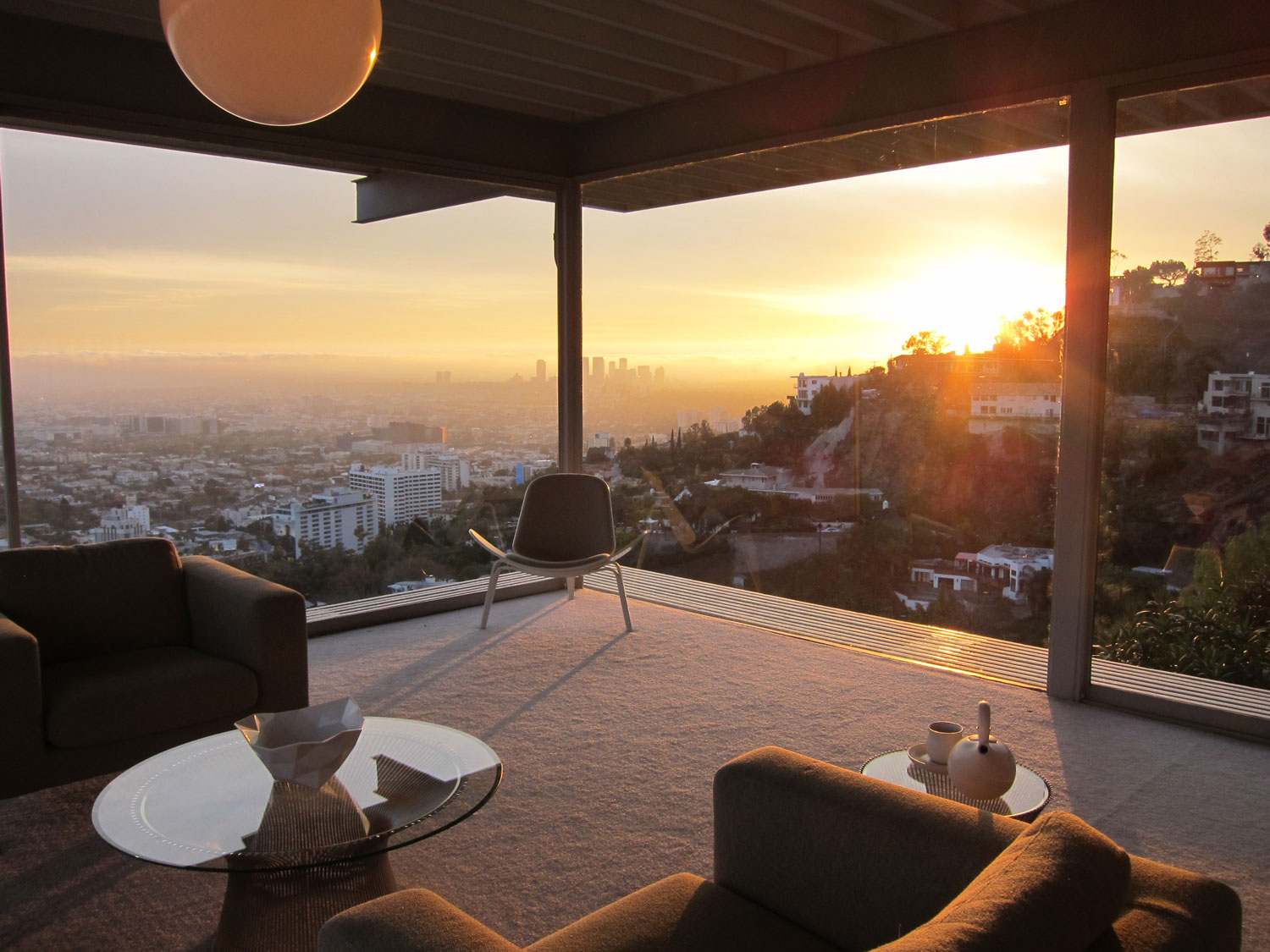
Living room view at sunset.

Looking west from living room at sunset.

There is something truly transcendent about being in this space, floating above the city: it’s powerful, sexy. Though I wonder if that joy might fade after a while, and the spectacular views become taken for granted. It happens. And the house itself is not without issues. By today’s standards the kitchen and bathrooms are tiny, the living room lacks privacy, and the house is after all perched on the edge of a steep cliff in an earthquake-prone city. No house is perfect, right? Nah, I must be having a nightmare. Because the thought of living in this cinematic masterpiece, where every moment is a slo-mo rush on the senses, even nightmares would be the stuff of dreams.

If you plan to visit L.A., the Stahl House is available for touring through their website. Highly recommended!

        —Bill

Studio 804 hatches new ‘EcoHawks’ building on west campus

The new "EcoHawks" Hill Engineering Center building on KU's West Campus.
The new “EcoHawks” Hill Engineering Center building on KU’s West Campus. Photo: Bill Steele

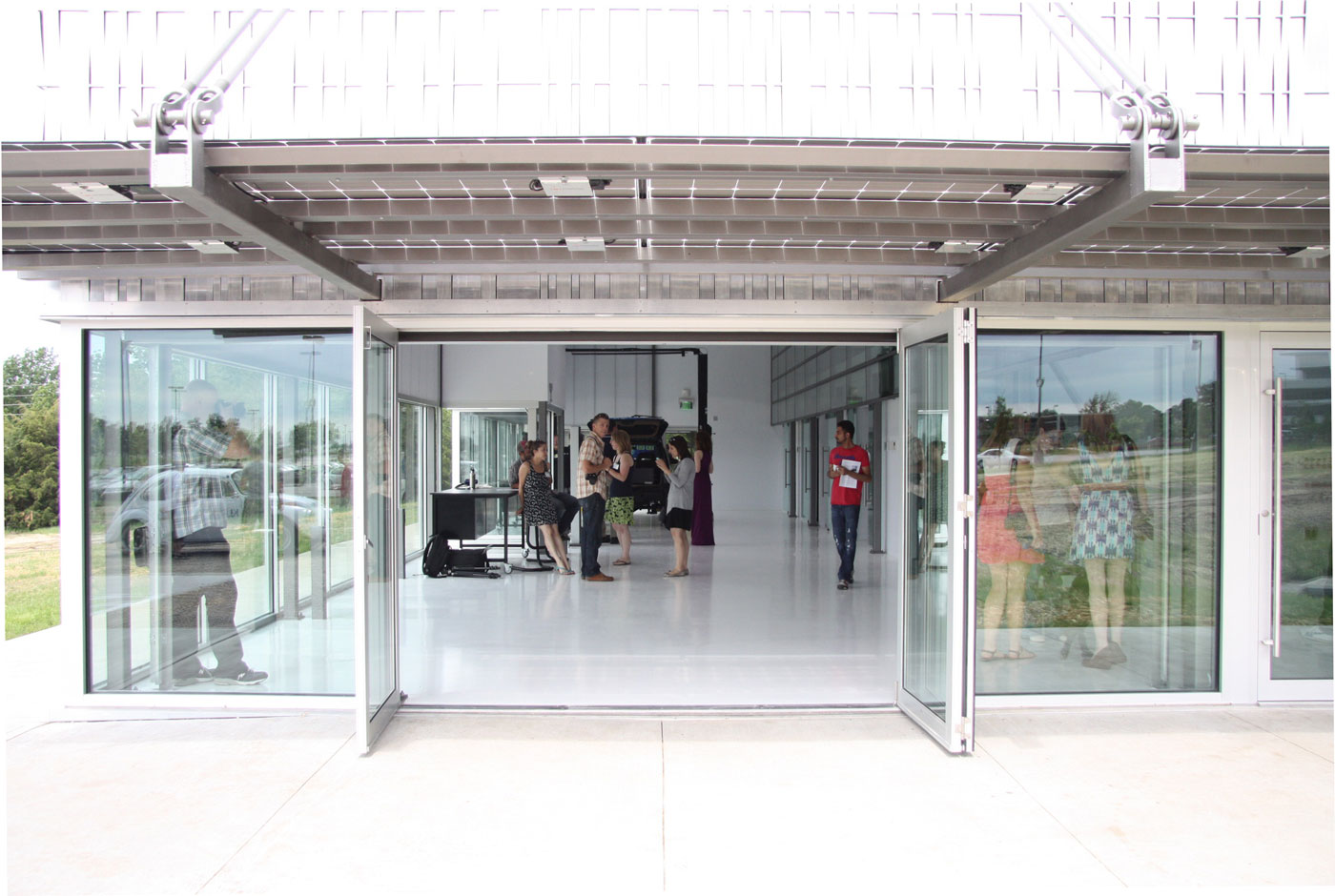
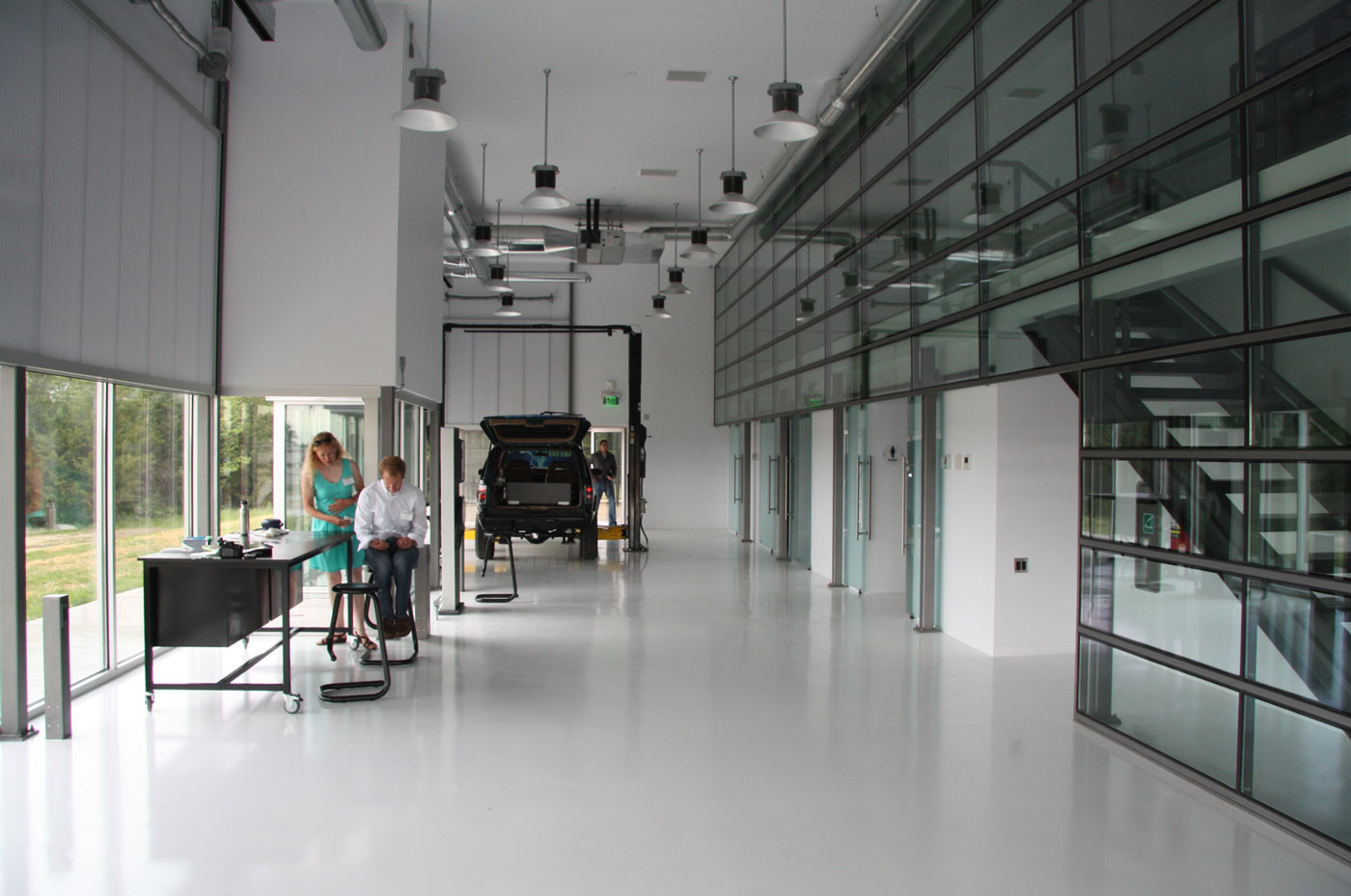
Studio 804’s latest addition to our built environment, the ‘EcoHawks’ research facility, was opened to the public this past weekend. Like its older brother across campus, the Center for Design Research, the EcoHawks building is a test bed of energy sustainability, designed to be net zero, which means it will produce more energy than it actually consumes. That extra energy will be used by engineering students to design electric vehicles that can run the building at night. Smart idea. These students are constantly thinking outside the box, and their buildings are teeming with innovative ideas and technologies. Some of these ideas could change the world, fulfilling KU’s oft-stated mission. But in that clean-lined, high tech future they envision we’ll all someday be living in, it would be nice to interact with materials other than just steel, glass and concrete. We would love to see future buildings that are warmer and more inviting, especially on the inside. This could be achieved quite easily and would not necessarily cost more. Class of 2014, we hope you are listening.

HERC2
Front entrance.
HERC3
Engineering lab/Vehicle test bay. Here, engineering students who participate in KU’s Kansas Sustainable Automotive Energy Infrastructure Initiative (a.k.a. Ecohawks) will recycle old cars and make them run on primarily renewable resources.
HERC4
Visitors mingle in the building’s utility space. Photo: Bill Steele
Tom Harper with Max Anderson, a former student in the Studio 804 class.
Tom Harper with Max Anderson, a former student in the Studio 804 class. Max helped design and fabricate the building’s innovative motorized aerogel insulating panels, which trap heat collected by the concrete floor in winter. Photo: Bill Steele
HERC5
From left, Elizabeth Avenius, Kelli Hawkins and Hannah Hindman, former Studio 804 students who helped design and build the “EcoHawks” Hill Engineering Research and Development Center. (All graduated in May with a Master’s in Architecture.) Elizabeth hatched the idea to use recycled aircraft aluminum to create the building’s striking weaved exterior. Photo: Bill Steele

Please join us …

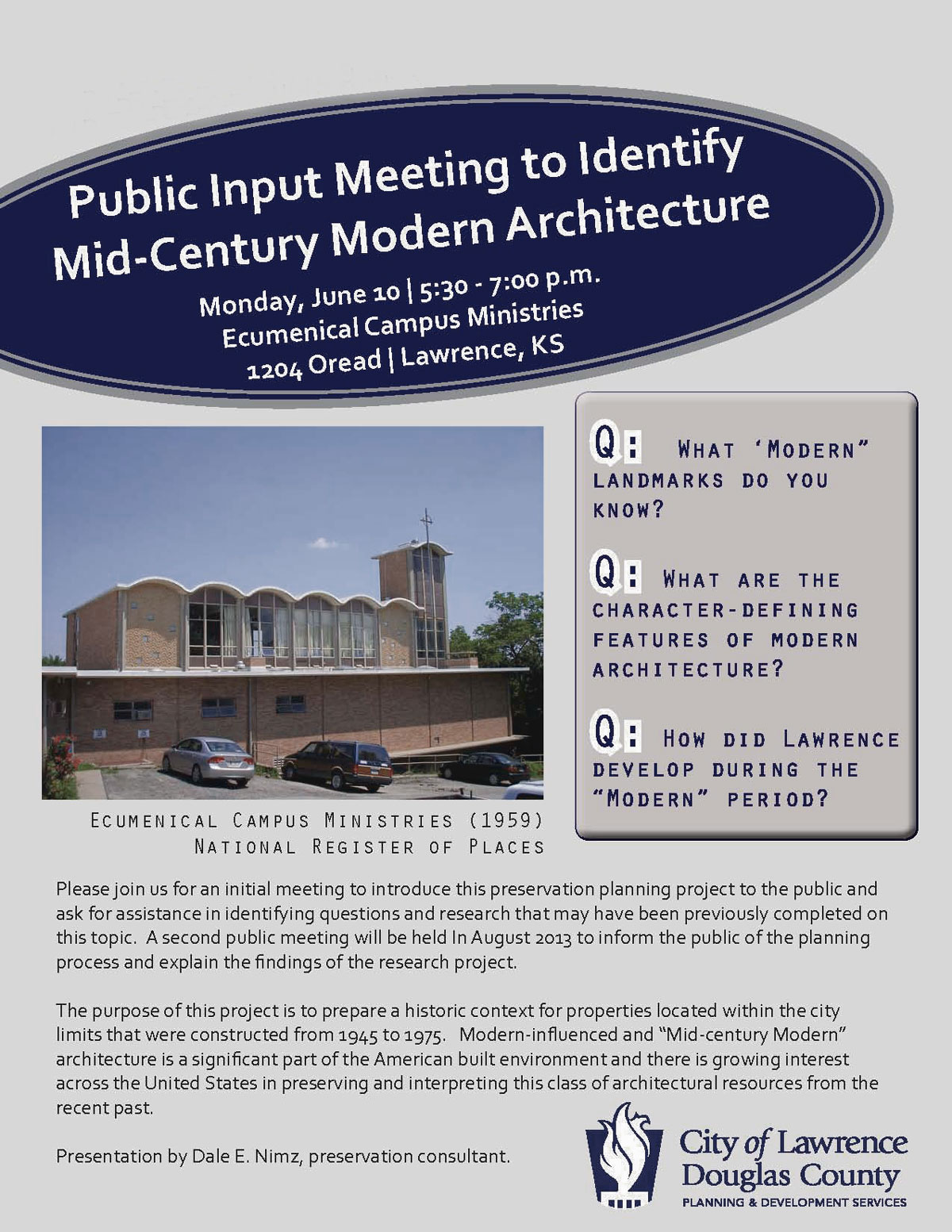
Public Meeting to Identify Mid-Century Modern Architecture in Lawrence, KS poster

Pure-blood architecture June 2nd

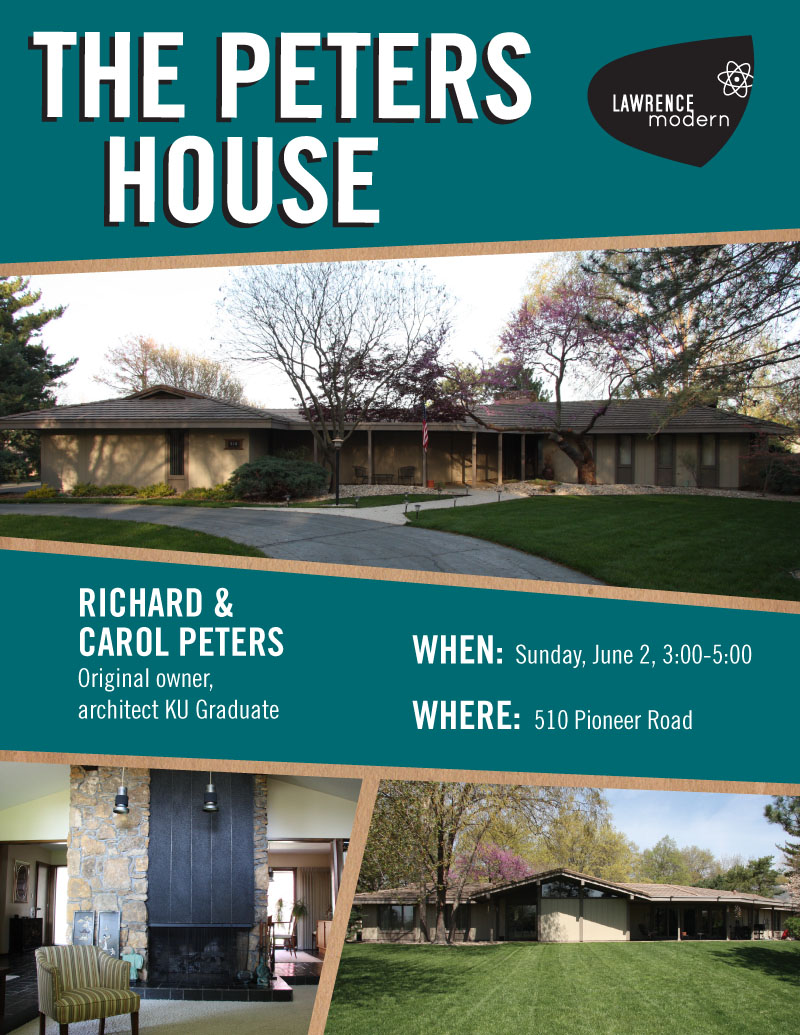
Peters House event flyer

Design by Aimee Wray

Regulars on the Lawrence Modern house tour scene, architect Dick Peters and his wife, Carol, have for years endured our pleas that they open their own mid-century home for viewing. We are pleased to announce that they have finally relented. Designed by Dick himself in 1968, the Peters Residence is the quintessential suburban rancher, or what Dennis calls “pure blood American… an exceptional Mid Century Modern house, designed by one of Lawrence’s important architects.” In other words, another Lawrence Modern event you don’t want to miss.

100 years of architecture at KU

Architecture_timeline/collage

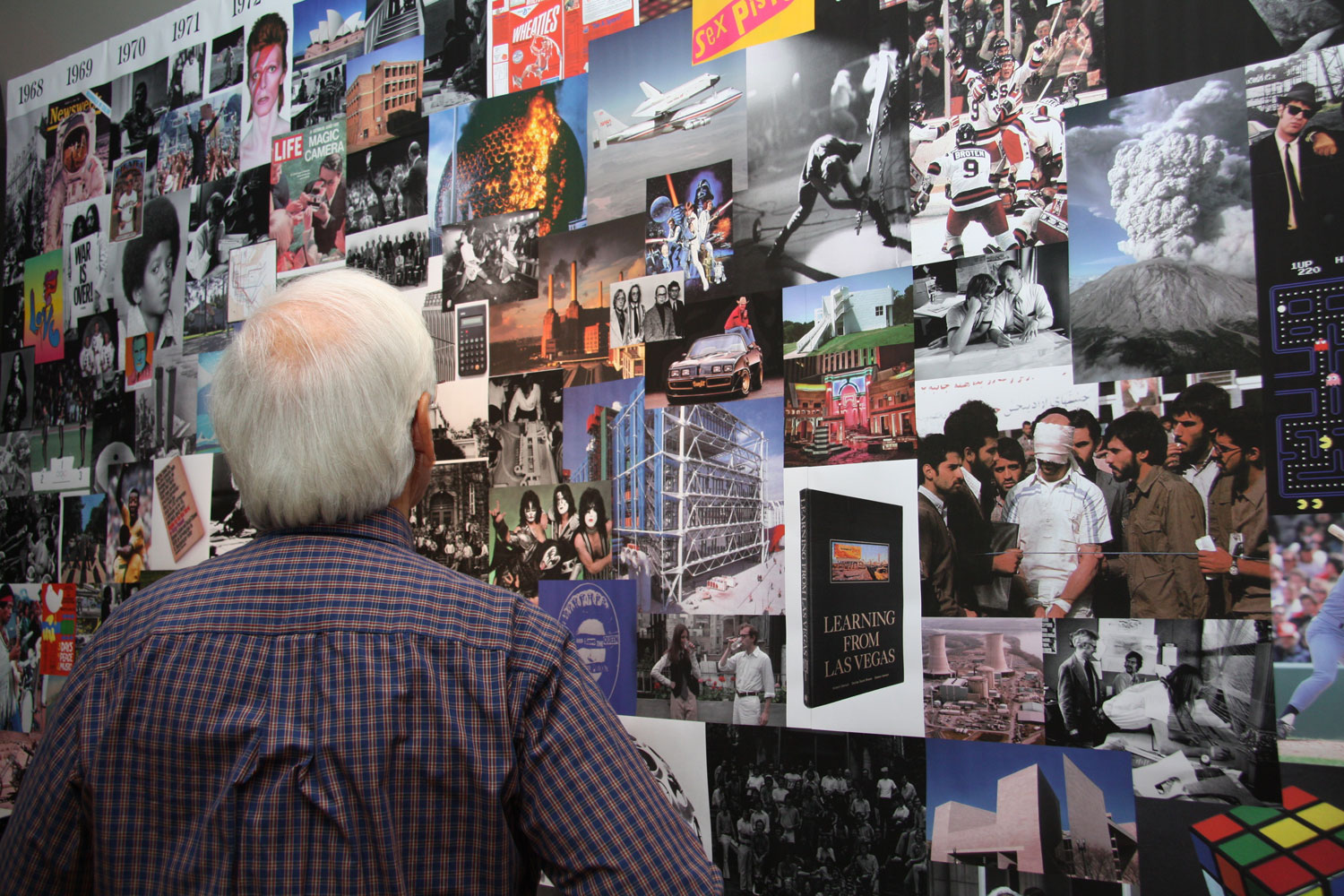
Timeline in Marvin Hall celebrating 100 years of architectural education at the University of Kansas. Timeline by Tim Hossler.

KU’s School of Architecture celebrated a century of architectural education April 26-27, 2013, filling the corridors of Marvin Hall with former students who reconnected with classmates and reminisced with faculty about their experiences attending one of the oldest and most prestigious architecture schools in the country. More than 350 alumni, faculty and friends attended the centennial events, including retired modernist architects Robert Hess, ’49, and Dick Peters, ’54, both of whose work is featured in this website. A wall-sized graphical timeline of the last century’s major events as they relate to the evolution of architecture, and the milestones of the School, was on display in the main hallway and became the central meeting point. (The Timeline was designed by Lawrence Modern’s own Tim Hossler.) Architectural models, drawings and exhibits of former and current students lined the School’s walls and corridors. A birthday cake was served on the lawn outside Marvin Hall, followed by a lively reception and evening banquet. Several architecture students interacted with their predecessors, but most were too busy working on their final projects to hang around or even go outside to grab a piece of cake. Such is the demands of pursuing the architecture profession. But fifty years from now, when the University celebrates the next milestone of this influential and far-reaching education program, they’ll surely have their cake and eat it too.

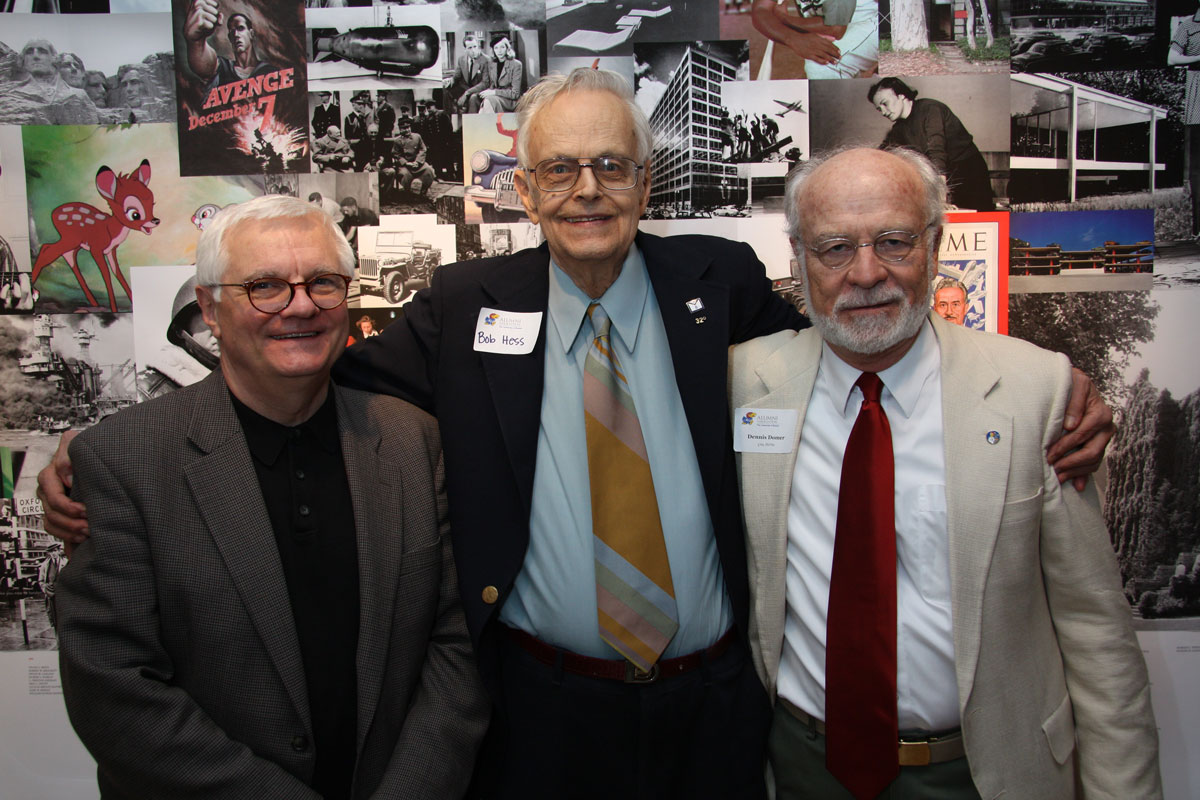
Hess_Sprecklemeyer_DomerProf. Kent Spreckelmeyer, Bob Hess, BArch ’49, and Prof. Dennis Domer.

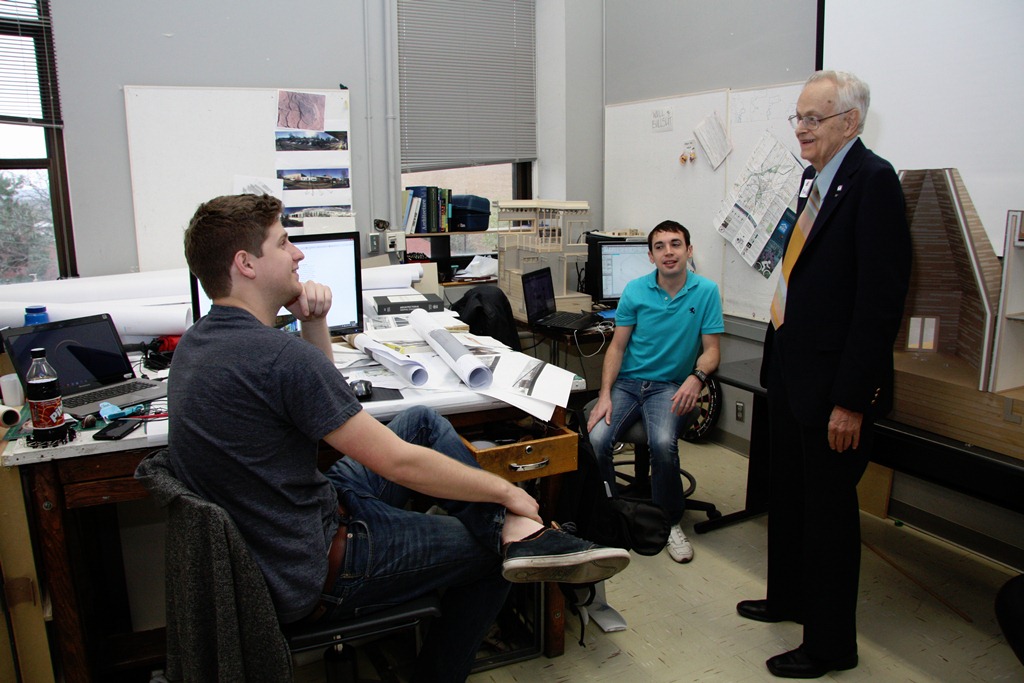
Hess Bob Hess meets with architecture students Kyle Kutz (left) and Cole Giesler (middle) in Marvin Hall.

Gaunt_FultonJohn Gaunt, dean of the School of Architecture, Design and Planning talks with Duncan Fulton, ’78, FAIA, President/CEO of the Good, Fulton & Farrell architecture firm based in Dallas, Tex.

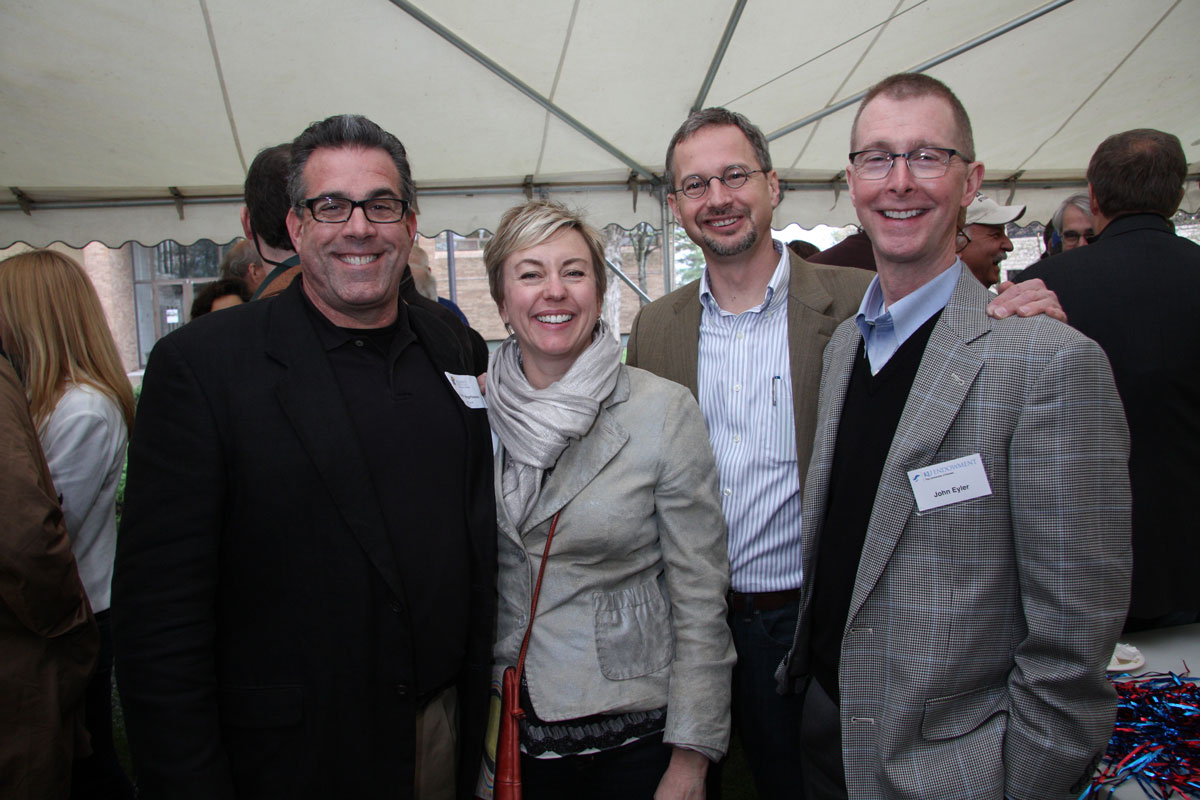
alumni From left, Neal Angrisano, ’88 and ’96, AIA, Associate, Burns and McDonnell Architecture, Kansas City, Mo. and Adjunct Professor; Sonya Jury, AIA, ’88, Director of Business Development, Henderson Engineers, Lenexa, Kans.; Steve Smith, AIA, ’88, Principal, Kenneth Hahn Architects, Omaha, Neb.; and John Eyler, AIA, ’94, Principal, 360 Architecture, Kansas City, Mo.

_Alumni_red_dotsAn Architecture alumnus sticks a red dot next to his name and year of graduation.